
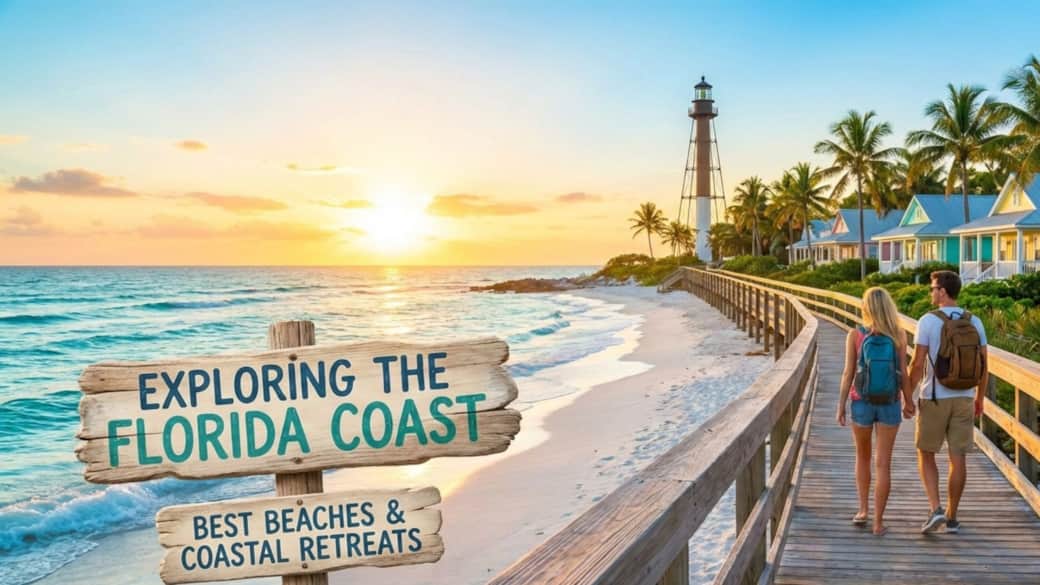
Exploring the Florida Coast: Best Beaches and Coastal Retreats
December 15, 2025
Florida's coastline stretches over 1,350 miles, offering an extraordinary diversity of beach experiences—from tranquil Gulf Coast sunsets to Atlantic surf, from pristine barrier islands to vibrant beach towns. Understanding this coastal variety allows travelers to select destinations that match their vision of the perfect beach escape rather than defaulting to the most famous names.
This guide explores Florida's most compelling coastal destinations, focusing on the character and experience each location offers rather than simply listing popular beaches. Whether you seek solitude, family-friendly amenities, water sports, or coastal dining, Florida's shores provide options for every preference.
The Gulf Coast: Powder Sand and Tranquil Waters
Florida's Gulf Coast claims some of the world's finest beaches, characterized by sugar-white sand, gentle waves, and spectacular sunsets. The coastline from Tampa Bay south to Naples offers distinct beach personalities.
Siesta Key near Sarasota consistently ranks among America's best beaches for good reason. The sand composition—99% pure quartz—creates a powdery texture that remains cool underfoot even in intense sun. The beach stretches wide and long, providing space even during peak seasons. Siesta Key Village offers casual dining and shopping within walking distance of the beach, creating a relaxed, accessible vibe without resort development overwhelming the natural setting.
Anna Maria Island represents old Florida charm preserved. This seven-mile barrier island features historic cottages, local restaurants, and beaches free from high-rise development. The northern tip at Bean Point offers pristine natural scenery where Tampa Bay meets the Gulf, creating unique water conditions and excellent shelling opportunities. The island's slow pace and quiet character appeal to families and couples seeking relaxation over entertainment.
Sanibel and Captiva Islands have built reputations as shelling capitals, and deservedly so. The islands' east-west orientation creates conditions that deposit shells along the beaches in remarkable quantities and variety. Beyond shelling, these islands offer the J.N. "Ding" Darling National Wildlife Refuge with kayaking through mangrove forests, bicycle paths traversing the entire island, and dining that emphasizes fresh seafood in casual settings. The islands maintain strict building codes preserving their natural character.
The Atlantic Coast: Surf Culture and Coastal Energy
Florida's Atlantic beaches offer different characteristics—stronger waves, surf culture, and generally more developed shorelines. The coast from Miami north to Jacksonville provides varied experiences.
South Beach Miami represents the opposite of quiet retreat—this is beach as social scene. Art Deco architecture lines Ocean Drive, international cuisine fills restaurants, and the beach itself becomes theater where people-watching rivals ocean-watching. South Beach works for travelers who want beach time integrated with urban energy, nightlife, and cultural institutions. The crowds and scene aren't for everyone, but the location offers unique coastal urban experience found nowhere else in Florida.
Delray Beach balances accessibility with sophistication. Atlantic Avenue, one block from the beach, features art galleries, boutiques, and restaurants that have earned the town recognition as one of America's "Most Fun Small Towns." The beach itself offers clean sand, lifeguard stations, and amenities without the overwhelming development of larger resort areas. Delray attracts visitors seeking culture alongside beach relaxation.
Cocoa Beach claims fame as "Surf Capital of the East Coast," and the consistent waves justify the title. Beyond surfing, the proximity to Kennedy Space Center creates unique character—rocket launches visible from the beach provide spectacular, unexpected entertainment. The town maintains classic beach community feel with surf shops, casual eateries, and the historic Cocoa Beach Pier extending into the Atlantic. This destination appeals to active beach-goers and families with diverse interests.
The Panhandle: Emerald Waters and White Dunes
The Florida Panhandle's beaches showcase stunning beauty with turquoise waters and brilliant white sand derived from Appalachian quartz crystals. This coastline offers some of Florida's most photogenic and least crowded beaches.
Seaside, while developed as a planned community, has become architecturally significant and visually stunning. Pastel cottages with white picket fences create storybook aesthetics, and the town center features upscale boutiques and restaurants. The beach itself provides gorgeous swimming conditions with characteristic emerald-green waters. Seaside works for travelers who appreciate design-conscious environments and don't mind premium pricing for curated experiences.
Grayton Beach, adjacent to Seaside but distinctly different in character, offers a more laid-back atmosphere with similar natural beauty. Grayton Beach State Park preserves undeveloped coastline with nature trails, coastal dune lakes (rare geological features), and pristine beach access. The small town center features local restaurants and bars with authentic personality rather than resort polish. This destination appeals to nature lovers and travelers seeking authenticity over amenities.
St. George Island remains remarkably undeveloped despite exceptional beach quality. This 22-mile barrier island features state park land at both ends, with low-density vacation homes between. No high-rises, no chain restaurants, no crowds—just excellent beaches, fishing opportunities, and peaceful coastal living. The island attracts visitors seeking genuine escape rather than entertainment.
Hidden Coastal Gems
Beyond well-known destinations, Florida's coast harbors less-publicized beaches offering exceptional experiences for those willing to venture slightly off the beaten path.
Caladesi Island State Park near Dunedin is accessible only by boat, creating natural crowd control. The ferry ride from Honeymoon Island takes 20 minutes, delivering visitors to pristine beach with nature trails through coastal hammock, kayak rentals for exploring mangrove-lined waters, and facilities minimal by design. The island represents Florida's coast before development—rare and increasingly valuable.
Fort De Soto Park in the Tampa Bay area offers 1,136 acres including multiple beach areas, historic fort, camping, kayaking, and extensive bike trails—all in a county park with modest entry fees. North Beach consistently earns accolades for water quality and sand, while East Beach includes an off-leash dog area where pets can swim—rare for Florida beaches. The park provides full-day destination possibilities beyond simple beach time.
Amelia Island at Florida's northeastern corner combines 13 miles of beaches with historic Fernandina Beach downtown featuring Victorian architecture, local shops, and restaurants emphasizing regional cuisine. The island balances resort development (Ritz-Carlton presence) with local character, state park land, and accessible beaches. This destination works for travelers wanting options—from resort amenities to natural settings to historic town exploration—within one location.
Coastal Activities Beyond Sunbathing
Florida's coastal environments support activities that deepen beach experiences beyond passive relaxation.
Kayaking and paddleboarding allow exploration of mangrove tunnels, coastal estuaries, and calm bay waters impossible to access from shore. Many coastal areas offer guided eco-tours revealing wildlife, explaining coastal ecosystems, and accessing locations requiring local knowledge.
Snorkeling and diving opportunities exist throughout Florida's coasts, with the Florida Keys offering the only living coral reef system in continental United States. Even beaches farther north provide interesting underwater exploration—artificial reefs, natural rock formations, and marine life create engaging snorkeling conditions.
Fishing from piers, beaches, or chartered boats represents authentic Florida coastal culture. Charter captains provide equipment, expertise, and access to productive waters for both experienced anglers and first-timers. Many coastal restaurants will prepare your catch, creating true dock-to-table dining experiences.
Seasonal Considerations
Florida beach experiences vary significantly by season, and understanding these patterns helps optimize timing.
Winter months (December through February) offer pleasant temperatures with lower humidity and minimal rain—ideal beach weather. However, water temperatures drop to 60-70°F, comfortable for some but chilly for extended swimming. Winter represents peak season with higher accommodation costs and more crowds, particularly around holidays.
Spring (March through May) provides excellent conditions—warming water, comfortable air temperatures, and manageable crowds outside spring break periods. This season offers optimal balance of weather and value.
Summer (June through August) brings hot, humid weather with afternoon thunderstorms and the warmest ocean temperatures—perfect for water activities. Crowds increase during school vacations, but early mornings and weekdays provide space even at popular beaches.
Fall (September through November) sees fewer visitors despite excellent conditions in October and November. September and October represent hurricane season peak, requiring flexibility, but late fall provides outstanding beach weather with off-season pricing.
Choosing Your Coastal Experience
The best Florida beach depends entirely on what you're seeking. Families with young children benefit from Gulf Coast beaches with gentle waves and gradual depth. Surf enthusiasts prefer Atlantic beaches with consistent wave action. Couples seeking romance might choose secluded island locations. Adventure travelers gravitate toward destinations offering diverse activities beyond beach lounging.
Florida's coastal diversity means you can find your ideal beach—whether that's social energy, pristine nature, family amenities, or water sports. The key lies in understanding the character of different coastal areas rather than assuming all Florida beaches offer identical experiences.
The coast's accessibility from Central Florida vacation rental locations makes beach exploration feasible even during theme park-focused trips. Day trips or extended coastal stays both work, depending on your priorities and schedule.
StayZenn properties in coastal regions provide thoughtfully designed bases for beach exploration, while our Central Florida homes offer proximity to both attractions and beaches. Each property includes detailed local guides covering nearby coastal destinations, insider recommendations for timing visits, and suggestions for activities beyond typical tourist approaches. Discover how we help guests experience Florida's magnificent coastline with the knowledge and perspective of locals who genuinely appreciate these remarkable shores.